
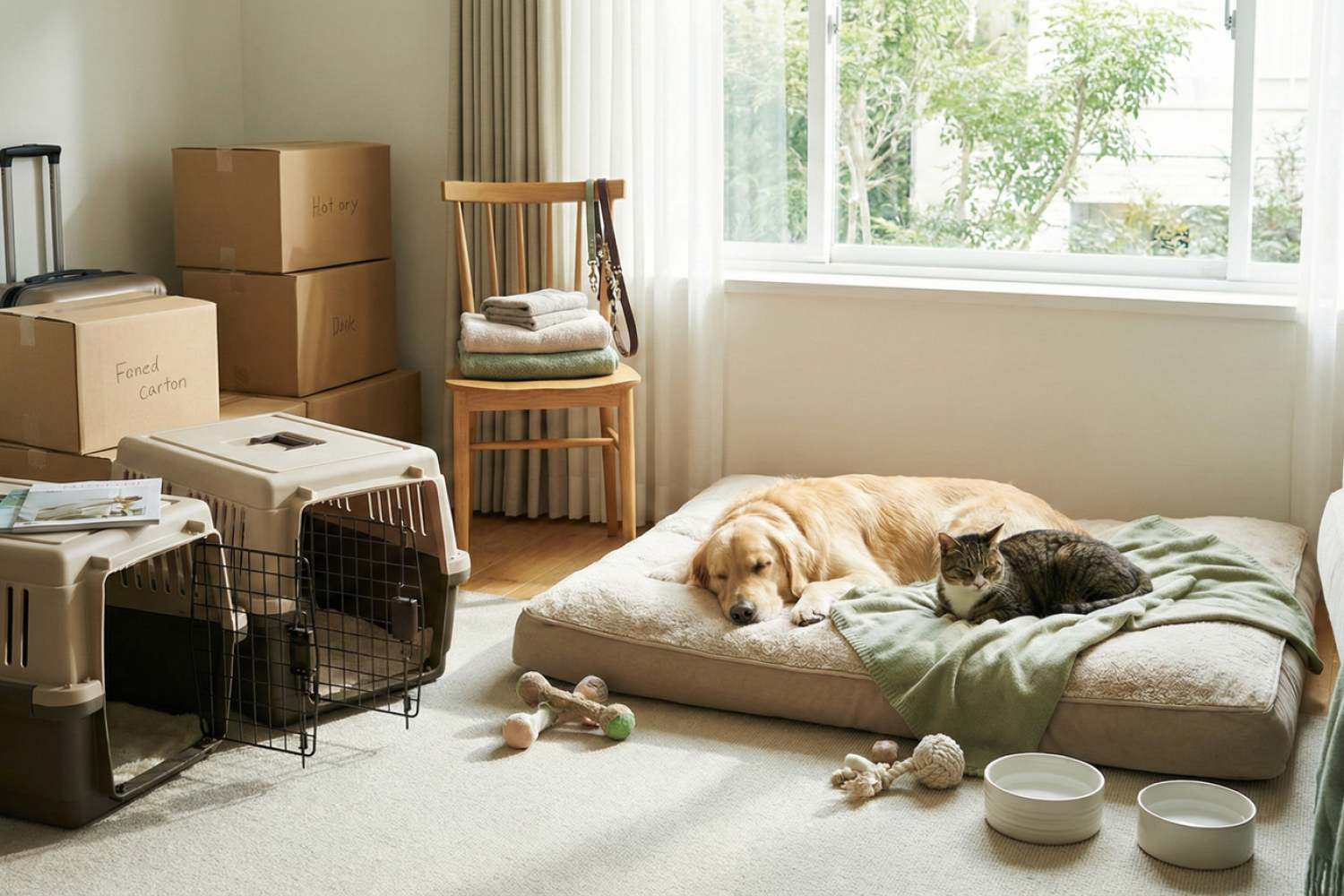
How to prepare pets for a move is about more than packing boxes and booking transport. It is a thoughtful process that helps dogs, cats, and other household pets stay calm, safe, and comfortable before, during, and after relocation. Because pets rely heavily on routine, unfamiliar environments, sounds, and schedules can quickly trigger stress if preparation is rushed or incomplete. With proper planning and awareness of pets’ emotional and physical needs, moving with animals can become a smooth and positive experience for everyone involved.
What Does “How to Prepare Pets for a Move” Really Mean?
How to prepare pets for a move refers to the process of helping animals, such as cats, dogs, and other household pets, adjust both physically and emotionally throughout the relocation journey. Unlike humans, pets do not understand why their environment is changing. Sudden disruptions to familiar routines, scents, and living spaces can lead to anxiety, behavioral changes, or even health issues if not managed carefully.
Preparing pets properly goes far beyond transportation alone. It includes emotional conditioning, health and veterinary preparation, environment planning, and timing each stage of the move to reduce disruption. When these steps are handled correctly, pets are far more likely to transition into a new home feeling secure rather than overwhelmed.
For households planning a relocation, minimizing chaos on moving day is a crucial part of how to prepare pets for a move. Working with experienced movers like Jean Movers helps reduce noise, delays, and unnecessary disruption, allowing pet owners to focus on their pets’ wellbeing instead of logistical stress. A calmer moving process directly supports pets in remaining relaxed, safe, and comfortable throughout the transition.
Why Moving Is Stressful for Pets
Pets rely heavily on routine and familiarity. A move disrupts both.
Common Stress Triggers for Pets During a Move
- Packing noise and unfamiliar boxes
- Changes in feeding and walking schedules
- Strangers entering the home
- Long travel hours
- New smells and sounds
Without proper planning, these factors can lead to hiding, excessive barking or meowing, appetite loss, or destructive behavior. That’s why understanding how to prepare pets for a move is essential for responsible pet ownership.
How Early Preparation Makes a Difference
Preparation should begin weeks before moving day, not the night before.
Benefits of Early Pet Preparation
- Reduced anxiety and fear responses
- Easier transport and handling
- Faster adjustment to the new home
- Lower risk of escape or injury
This approach aligns closely with structured moving strategies like the 90/10 rule for moving, where thorough preparation accounts for most of a successful relocation, leaving minimal stress on moving day.
Step-by-Step Guide: How to Prepare Pets for a Move
Step 1: Gradually Introduce Packing Activities
Avoid packing everything at once. Let pets see boxes slowly so they don’t associate them with sudden disruption.
What helps:
- Leave boxes around early
- Allow pets to sniff and explore
- Keep favorite areas unpacked until last
Step 2: Maintain Familiar Routines
Consistency is key when learning how to prepare pets for a move.
- Feed pets at the same time
- Keep walking schedules unchanged
- Maintain playtime routines
Step 3: Prepare a “Pet Essentials Kit”
Pack this separately and keep it accessible.
| Item | Purpose |
|---|---|
| Food & treats | Maintain diet consistency |
| Toys | Comfort & familiarity |
| Bedding | Familiar scent |
| Medication | Health continuity |
| Litter or pads | Hygiene |
Health and Safety Checks Before Moving
Before relocating, it’s wise to ensure your pet is physically ready.
Pre-Move Health Checklist
- Update vaccinations
- Refill medications
- Check microchip details
- Obtain health certificates if required
According to guidance from the American Veterinary Medical Association (AVMA), pets undergoing travel or relocation experience less stress when health checks and familiar items are prepared in advance. This reinforces why planning is central to how to prepare pets for a move, not an optional step.
Moving Day: Keeping Pets Calm and Secure
Moving day is often the most chaotic part of relocation.
Best Practices on Moving Day
- Confine pets to a quiet room
- Use carriers or crates when necessary
- Avoid exposure to loud noises
- Assign one person to monitor pets
Many families choose professional relocation support through Jean Movers’ services so furniture handling, loading, and transport are managed efficiently, reducing overall stress for both owners and pets.
Pro Tip: If possible, arrange pet boarding or have a trusted friend care for your pet on moving day.
Helping Pets Adjust After the Move
Learning how to prepare pets for a move doesn’t end once you arrive.
First Week Adjustment Tips
- Set up pet areas first
- Keep feeding routines consistent
- Allow gradual exploration
- Avoid introducing too many changes at once
Pets often need several days, or weeks to feel fully comfortable. Patience is essential.
Common Mistakes to Avoid When Moving With Pets
- Changing food brands suddenly
- Forcing pets to explore immediately
- Ignoring stress signals
- Letting pets roam freely too soon
These mistakes can prolong adjustment and increase anxiety.
Pro Tip: Familiar smells , such as unwashed bedding, help pets recognize the new space as “home” faster.

Conclusion: Making Moving Easier for Pets and Owners
Understanding how to prepare pets for a move transforms relocation from a stressful experience into a manageable transition. With early planning, consistent routines, and the right professional support, pets can adapt safely and comfortably to their new environment.
Moving is more than transporting belongings, it’s about caring for every family member, including those with four legs.
Pro Tip: When logistics are handled smoothly, pet owners can focus on what matters most, comfort, safety, and emotional reassurance.
For a smoother, well-coordinated move that gives you more time to care for your pets, explore professional relocation support with Jean Movers, where thoughtful planning makes every move easier for the whole household.
FAQs (Frequently Asked Questions)
How early should I start preparing my pet for a move?
Ideally 2–4 weeks before moving day.
Should pets travel with me or separately?
Small pets usually travel best with owners. For long-distance moves, professional advice may help.
Is it normal for pets to hide after moving?
Yes. Hiding is a common stress response and usually temporary.
Can moving cause long-term behavioral issues?
Only if stress is unmanaged. Proper preparation reduces long-term impact.
What’s the biggest mistake pet owners make when moving?
Underestimating how stressful change is for pets and preparing too late.