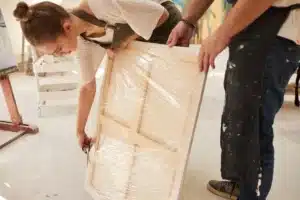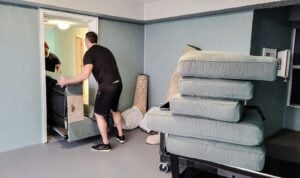

Moving large furniture can be one of the most challenging parts of any relocation. Bulky items often do not fit through doorways, elevators, or staircases, increasing the risk of damage to both the furniture and your property.
Learning how to disassemble furniture for a move can make transportation easier, reduce moving costs, improve safety, and help protect valuable pieces during transit. Whether you are moving locally or internationally, proper furniture disassembly can save time and prevent unnecessary stress on moving day.
In this guide, you’ll learn which furniture should be dismantled, what tools you’ll need, and the safest way to take apart and reassemble your furniture after the move.
Why Disassemble Furniture Before Moving?
Before picking up a screwdriver, it’s important to understand why furniture disassembly is often recommended.
Key Benefits
| Benefit | Why It Matters |
|---|---|
| Easier Transportation | Large furniture can fit through narrow spaces more easily |
| Reduced Risk of Damage | Fewer protruding parts mean fewer scratches and dents |
| Improved Safety | Lighter pieces reduce lifting injuries |
| Lower Moving Costs | Efficient loading can reduce truck space requirements |
| Faster Loading and Unloading | Movers can work more efficiently |
Pro Tip: Measure doorways, hallways, elevators, and staircases before moving day. Many homeowners discover too late that a sofa or bed frame won’t fit through the exit.
Which Furniture Should Be Disassembled?
Not every piece of furniture needs to be dismantled.
Furniture That Usually Should Be Taken Apart
| Furniture Type | Recommended |
|---|---|
| Bed Frames | Yes |
| Dining Tables | Yes |
| Office Desks | Yes |
| Wardrobes | Yes |
| Modular Sofas | Yes |
| Bunk Beds | Yes |
| Shelving Units | Yes |
Furniture That May Not Need Disassembly
| Furniture Type | Recommended |
|---|---|
| Solid Wood Cabinets | Usually No |
| Antique Furniture | Consult Professionals |
| Small Side Tables | Usually No |
| Coffee Tables | Depends on Size |
Pro Tip: For antiques, designer furniture, or fragile pieces, professional movers may be able to provide specialised disassembly and packing services to prevent costly damage.
Essential Tools You’ll Need
Having the right tools makes furniture disassembly faster and safer.
| Tool | Purpose |
|---|---|
| Phillips Screwdriver | Remove common screws |
| Flathead Screwdriver | Pry and loosen fittings |
| Allen Keys | Flat-pack furniture assembly |
| Adjustable Wrench | Remove bolts and nuts |
| Power Drill | Speed up removal process |
| Ziplock Bags | Store hardware safely |
| Labels or Marker | Identify parts |
| Smartphone Camera | Record assembly process |
Take photos before and during disassembly. These photos can serve as a visual guide when reassembling furniture at your new location.
Step-by-Step: How to Disassemble Furniture for a Move
Step 1: Clear and Clean Furniture
Remove all contents from drawers, cabinets, and shelves. Cleaning furniture before disassembly also prevents dust and debris from spreading during the move.
Step 2: Document the Assembly
Take multiple photos from different angles.
Capture:
- Screw locations
- Hardware placement
- Drawer tracks
- Support brackets
- Cable management systems
Step 3: Remove Loose Components
Start by removing:
- Cushions
- Shelves
- Glass panels
- Drawers
- Detachable legs
These components should be wrapped separately.
Step 4: Store Hardware Properly
Place screws, bolts, washers, and brackets into labeled bags.
Example:
Master Bed Frame – Side Rail Screws
Attach the bag directly to the furniture piece using tape.
Step 5: Disassemble Large Components
Work methodically from top to bottom. Avoid forcing joints apart, as this may crack wood or damage connectors.
Step 6: Protect Each Piece
Once dismantled:
- Wrap panels with moving blankets
- Use stretch wrap for protection
- Add corner protectors
- Secure glass separately
Pro Tip: Label every piece with matching numbers or letters to simplify reassembly later.
Common Mistakes to Avoid When Disassembling Furniture
Many moving-related furniture damages occur because of simple mistakes.
Avoid these errors
| Mistake | Potential Problem |
|---|---|
| Losing screws | Difficult reassembly |
| Skipping photos | Confusion during setup |
| Mixing hardware | Incorrect assembly |
| Over-tightening during reassembly | Damaged joints |
| Using wrong tools | Stripped screws |
| Forgetting labels | Delayed unpacking |
Special Considerations for Different Furniture Types

Bed Frames
Remove:
- Mattress
- Slats
- Headboard
- Side rails
Store all bolts together.
Dining Tables
Remove:
- Legs
- Extension leaves
Protect the tabletop with padded blankets.
Wardrobes
Remove:
- Shelves
- Hanging rails
- Doors (if possible)
This reduces weight significantly.
Office Desks
Disconnect:
- Cable trays
- Monitor mounts
- Keyboard trays
Take photos of cable connections before removal.
Should You Hire Professional Furniture Disassembly Services?
For some moves, professional assistance may be the better option.
Consider professional help if:
- Furniture is oversized
- Items are antique or high-value
- You are moving internationally
- Furniture requires specialist tools
- Time is limited
Professional movers can often dismantle, pack, transport, and reassemble furniture safely while reducing the risk of damage. If you’re looking for experienced movers and packers in Singapore, choosing a trusted relocation company ensures your furniture is professionally packed, transported, and reassembled with care, giving you greater peace of mind throughout your move.
Furniture Disassembly Checklist Before Moving Day
Quick Checklist
✓ Empty all furniture
✓ Take photos
✓ Gather tools
✓ Label hardware bags
✓ Remove detachable parts
✓ Wrap furniture pieces
✓ Secure glass components
✓ Keep assembly instructions
✓ Prepare reassembly plan
Conclusion
Learning how to disassemble furniture for a move can make relocation significantly easier, safer, and more efficient. By removing detachable parts, organizing hardware, protecting components, and following a systematic process, you can reduce the risk of damage while simplifying loading, transportation, and reassembly.
However, not all furniture is easy to dismantle. Large wardrobes, bed frames, dining tables, and valuable furniture pieces often require extra care and expertise. If you’re planning a residential or commercial move and want peace of mind throughout the process, Jean Movers provides comprehensive moving solutions, including furniture disassembly, packing, transportation, and reassembly services. With an experienced team and professional handling techniques, Jean Movers helps ensure your belongings arrive safely and are ready to use in your new location.
FAQs (Frequently Asked Questions)
Is it necessary to disassemble furniture before moving?
Not always, but disassembling large furniture can make transportation safer and more efficient. Items such as bed frames, wardrobes, dining tables, and modular sofas are usually easier to move when taken apart.
What tools do I need to disassemble furniture for a move?
Most furniture can be dismantled using basic tools such as screwdrivers, Allen keys, adjustable wrenches, and a power drill. It’s also helpful to have ziplock bags, labels, and moving blankets for organization and protection.
How do I keep track of screws and small furniture parts?
Store all screws, bolts, washers, and fittings in labeled plastic bags. Many movers recommend taping the labeled bag directly to the corresponding furniture piece to avoid losing hardware during the move.
Should I disassemble antique or expensive furniture myself?
For antique, designer, or high-value furniture, professional disassembly is often recommended. Improper handling can cause structural damage, scratches, or reduce the item’s value.
Can professional movers disassemble and reassemble furniture?
Yes. Many moving companies offer furniture disassembly and reassembly services as part of their relocation packages. This can save time, reduce the risk of damage, and make moving day much less stressful.