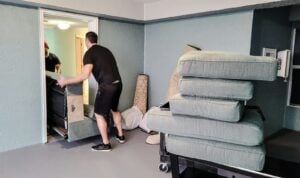
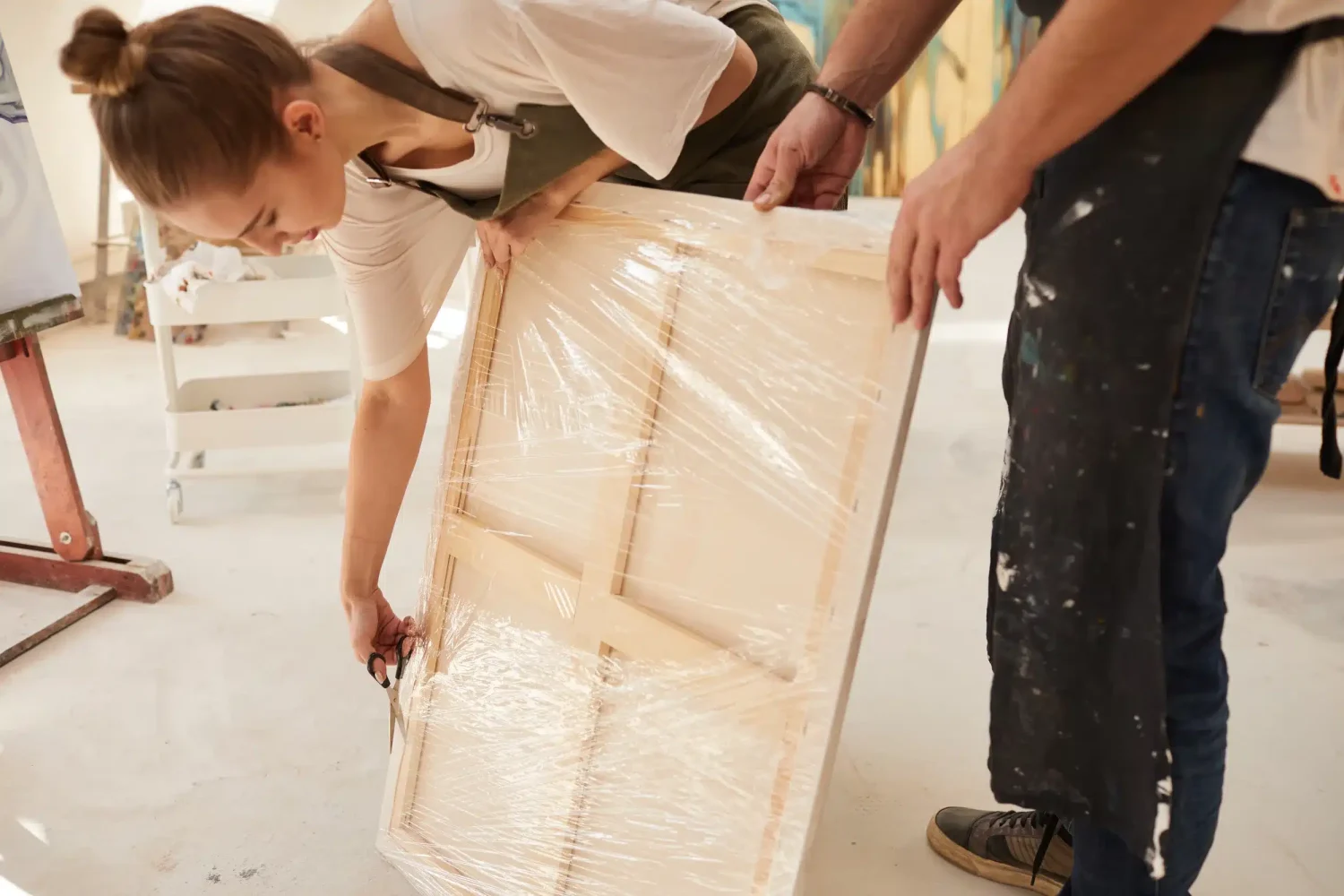
Household clearance in Singapore is the process of removing unwanted furniture, appliances, household clutter, and bulky belongings to create a cleaner, more organized living space. Whether you are moving to a new home, renovating your property, preparing a rental unit for its next occupant, or simply clearing years of accumulated belongings, a well-planned household clearance can make the process easier and more manageable.
In Singapore, where many households need to make efficient use of their available living space, clearing unnecessary belongings can also help simplify moving and renovation projects. By deciding what to keep, donate, sell, recycle, or remove, homeowners can make more informed decisions about their possessions.
Why Is Household Clearance in Singapore Important?
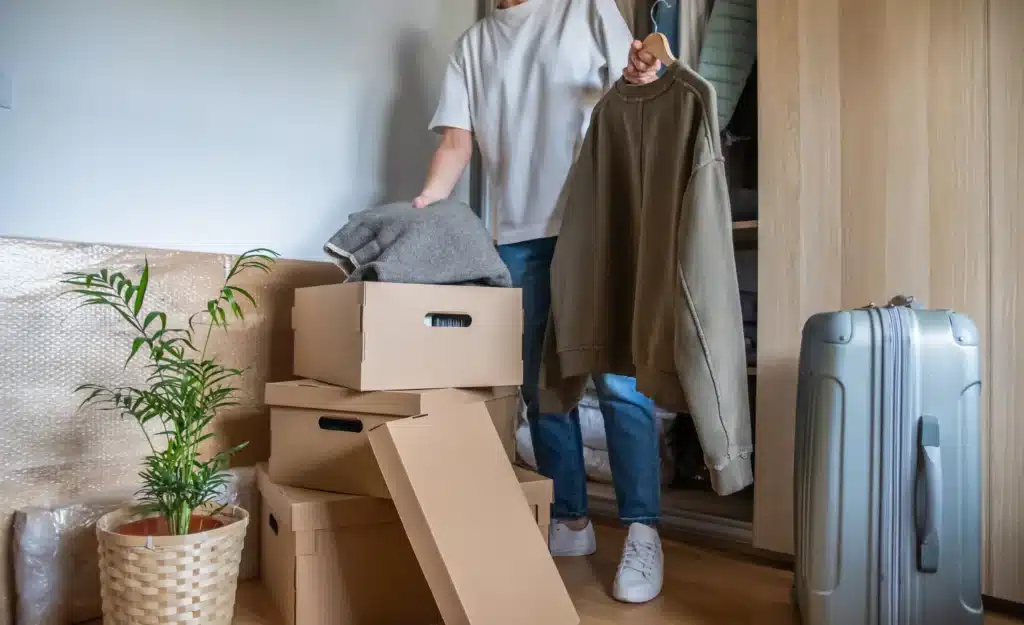
Household clearance is about more than making a room look tidy. It helps homeowners manage their belongings, improve the usability of their living spaces, and prepare for changes such as relocation or renovation.
For example, imagine moving from a larger flat to a smaller apartment. Bringing every piece of furniture and every stored item may leave little room for new arrangements. Clearing unnecessary belongings beforehand allows you to focus on the items that genuinely suit your new home.
There are several reasons why household clearance can be useful:
- Create more usable space: Remove unwanted furniture and clutter from crowded rooms.
- Simplify moving: Reduce the number of belongings that need to be packed and transported.
- Prepare for renovation: Clear furniture and household items before contractors begin work.
- Improve home organisation: Make it easier to arrange essential belongings.
- Manage bulky items: Arrange appropriate removal for furniture that is difficult to handle independently.
- Prepare a property: Clear unwanted belongings before renting out, selling, or handing over a home.
The most effective approach is to start early and make decisions gradually instead of waiting until the last minute.
What Items Can Be Included in Household Clearance?
Household clearance can involve anything from a few unwanted belongings to a substantial collection of furniture and household items. The appropriate removal method depends on the item’s size, condition, material, and disposal requirements.
1. Furniture and Bulky Household Items
Furniture often takes up the most space during a clearance project. Large items can also be difficult to move through narrow corridors, doorways, and lifts.
Common examples include:
- Sofas and armchairs
- Beds and mattresses
- Wardrobes and cabinets
- Dining tables and chairs
- Bookshelves and TV consoles
- Desks and storage units
Before removing furniture, consider whether it can be reused, sold, donated, or recycled. Items that are damaged or unsuitable for reuse may require an appropriate disposal arrangement.
2. Household Appliances and Electronics
Old appliances can occupy valuable space, particularly when they are no longer functional or suitable for your needs.
Examples include refrigerators, washing machines, microwaves, televisions, and other electrical equipment.
Electronic waste should be handled through appropriate collection or recycling channels rather than automatically being mixed with general rubbish. Singapore has specific arrangements for certain types of e-waste, so check the applicable requirements before arranging disposal.
3. General Household Clutter
Smaller belongings can accumulate just as easily as large furniture. These may include unused storage containers, old decorations, broken household accessories, unwanted kitchenware, and miscellaneous items stored in boxes.
Sort these belongings into categories before deciding what to remove. Some items may still be useful to another household, while others may need recycling or disposal.
4. Items Left After Renovation or Relocation
Renovation and moving projects can leave behind unwanted furniture, packaging, and other materials. The appropriate handling method depends on the type of waste involved.
Separate ordinary household belongings from renovation debris, electrical equipment, and materials that require specialised handling. Confirm what a removal provider accepts before booking a collection.
How to Plan a Household Clearance Step by Step
A simple plan can prevent household clearance from becoming an overwhelming project. Instead of trying to clear the entire property in one day, divide the work into manageable stages.
Step 1: Inspect Every Room
Walk through your home and identify items that are no longer useful. Pay attention to areas that are easy to overlook, such as storerooms, kitchen cabinets, balconies, utility areas, and spaces underneath beds.
Create a basic inventory of large items and note anything that may require special handling.
Step 2: Sort Items Into Four Categories
Use the following system to make decisions more easily.
| Category | What to Do |
|---|---|
| Keep | Retain items that you regularly use or need in your next home. |
| Sell | List suitable belongings that still have resale value. |
| Donate | Consider passing usable items to organisations that accept them. |
| Remove | Arrange suitable collection, recycling, or disposal for unwanted items. |
This method helps prevent useful belongings from being discarded unnecessarily while making it easier to identify what needs professional removal.
Step 3: Measure Large Items
Before arranging collection, measure bulky furniture and consider the available access route.
Check doorways, corridors, staircases, lifts, and loading areas. A wardrobe that fits comfortably inside a bedroom may be difficult to move through a narrow hallway.
Taking photographs and noting approximate dimensions can also help a removal provider understand the job before giving a quotation.
Step 4: Arrange the Appropriate Removal Service
Once you know what needs to be cleared, decide whether you can handle the smaller items yourself or need professional assistance for bulky belongings.
For larger clearance projects, provide the service provider with an item list, photographs, property location, access details, and preferred collection date.
Jean Movers provides disposal services for furniture, bulky household items, and general household junk. You can learn more about its disposal service in Singapore to understand the available options.
Step 5: Complete a Final Inspection
After the clearance, inspect each room and check storage areas, cabinets, balconies, and utility spaces.
If the clearance is part of a move, confirm that the belongings remaining in the property are the items you actually intend to transport. This final check helps avoid unnecessary packing and last-minute arrangements.
When Should You Arrange Household Clearance?
The right timing depends on the reason for clearing your home. Starting early generally provides more flexibility, especially if you plan to sell or donate usable belongings.
Before Moving House
Begin sorting several weeks before moving day whenever possible. Identify unwanted furniture first, then move on to smaller belongings.
Clearing unnecessary items before packing can simplify your inventory and help you estimate how much needs to be transported.
If your clearance is part of a relocation, professional household item removal in Singapore may be worth considering for unwanted household belongings that require collection.
Before Renovation
Clear the areas where contractors need to work and confirm which furniture can remain on-site.
If renovation debris will be generated, discuss its handling with your contractor and arrange an appropriate disposal solution. Household furniture clearance and construction waste removal may involve different requirements.
Before Renting Out or Selling a Property
A clear, organised property is easier to inspect, clean, and prepare for its next occupant. Remove unwanted belongings early enough to allow time for cleaning, repairs, and any necessary handover arrangements.
During General Decluttering
You do not need to wait for a major life event to clear your home. Reviewing one room at a time can help prevent unused belongings from accumulating.
A practical approach is to focus on one category each weekend, such as clothing, kitchenware, books, or furniture.
DIY Household Clearance vs Professional Removal
Should you clear everything yourself or hire a removal provider? The answer depends on the volume of items, the time available, and how difficult the belongings are to handle.
| Consideration | DIY Clearance | Professional Removal |
|---|---|---|
| Small household items | Often manageable | Can be useful for larger quantities |
| Bulky furniture | May require additional planning and help | Assistance may be available for lifting and collection |
| Time required | Depends on your availability | Can reduce the amount of work you handle personally |
| Transport | Requires suitable transport arrangements | Transport may be included in the agreed service |
| Disposal planning | You coordinate suitable disposal routes | The provider can explain its accepted items and disposal arrangements |
| Cost | Depends on transport, equipment, and other expenses | Depends on item volume, access, and service requirements |
DIY clearance may work well when you have only a few small belongings to remove. Professional assistance can be more convenient when the project involves several large furniture pieces, difficult access, or a tight schedule.
Before booking, confirm the collection scope, dismantling arrangements, transport costs, and any additional charges.
How to Handle Household Items Responsibly in Singapore

A successful clearance should consider what happens to the items after they leave your home. Not everything needs to go directly to disposal.
Sell or Donate Usable Belongings
Furniture and household goods that remain in good condition may be suitable for resale or donation. Check the recipient’s acceptance requirements before arranging collection, as some organisations do not accept bulky furniture or certain used items.
Recycle Suitable Materials
Where appropriate recycling facilities are available, separate eligible materials and electronic waste from general rubbish. Check current local guidance to identify the correct collection channel for each item.
Arrange Appropriate Disposal for Unusable Items
Damaged furniture, unusable appliances, and other unwanted belongings may require professional removal or an appropriate disposal route.
Do not assume every removal provider accepts every type of waste. Confirm the service scope beforehand, especially for electrical equipment, renovation debris, or items that may require specialised handling.
Common Household Clearance Mistakes to Avoid
Even a straightforward clearance can become difficult when planning is left too late.
Waiting until moving day: This leaves little time to decide what should be kept, donated, sold, or removed.
Keeping everything without reviewing its usefulness: Unused belongings may continue taking up space in your next home.
Forgetting storage areas: Storerooms, balconies, and utility spaces often contain items that are missed during the first inspection.
Ignoring furniture dimensions: Large items may not fit through the property’s access routes without careful planning or dismantling.
Failing to confirm service details: Always check what is included in a quotation, how collection works, and whether additional handling fees apply.
Discarding reusable belongings unnecessarily: Consider resale, donation, or recycling before choosing disposal.
Household Clearance Checklist for a More Organised Home
Use this checklist to keep the process on track.
Before clearance
- Inspect every room and storage area.
- List furniture and bulky belongings.
- Separate items into keep, sell, donate, and remove categories.
- Measure large items and check access routes.
- Confirm the appropriate removal or recycling arrangements.
After clearance
- Check all rooms, cabinets, and storage spaces.
- Confirm that reusable items have been handled as intended.
- Arrange cleaning or repairs if necessary.
- Prepare the remaining belongings for packing or storage.
Pro Tips: Make Household Clearance Easier
A few simple habits can make household clearance more manageable.
- Start with the largest items: Furniture often needs the most planning, so identify it first.
- Use photographs: Photos help you keep track of items and communicate collection requirements.
- Set a deadline for each room: Small, achievable targets can make the project feel less overwhelming.
- Avoid moving clutter twice: Decide what should be removed before packing your belongings.
- Request a clear quotation: Provide accurate item details and ask what the quoted price includes.
- Think about your next home: Keep belongings that suit your needs rather than automatically transporting everything you own.
The key is to make decisions before the clearance date, not while the removal team is waiting.
Conclusion: Start Your Household Clearance in Singapore With Jean Movers
Household clearance in Singapore can help you create a more organised home, prepare for relocation, and manage unwanted furniture and household belongings more efficiently. By starting early, sorting items carefully, and choosing suitable collection or disposal options, you can make the entire process easier to manage.
Begin by inspecting your home, listing the items you no longer need, and deciding which belongings can be reused, sold, donated, recycled, or removed. If your project involves bulky furniture or multiple unwanted household items, consider professional assistance to simplify collection and handling.
Jean Movers offers moving and disposal solutions for households in Singapore. Visit Jean Movers to explore its services and contact the team about your household clearance requirements.
FAQs (Frequently Asked Questions)
What does household clearance in Singapore include?
Household clearance can include removing unwanted furniture, appliances, general household clutter, and bulky belongings. The exact service depends on the items involved and the provider’s collection and disposal arrangements.
When should I arrange household clearance before moving?
Starting several weeks before moving day is helpful because it gives you time to sort belongings, arrange donations, and organise the removal of large items.
Can I arrange household clearance for bulky furniture?
Yes. Some professional removal providers handle bulky furniture such as sofas, wardrobes, beds, and cabinets. Confirm the accepted items, access requirements, and any dismantling charges before booking.
Should I donate or dispose of unwanted household items?
Donate or sell items that are still usable and suitable for another owner. Items that are damaged or unsuitable for reuse may need recycling or appropriate disposal.
Can household clearance be combined with a house move?
Some providers offer disposal as an additional service alongside moving. Ask whether unwanted furniture can be collected as part of the same booking, and confirm the scope and price in advance.