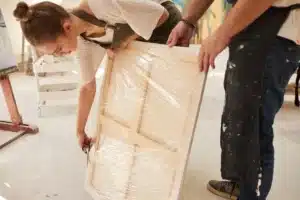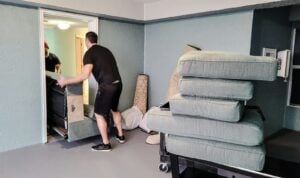

Household item removal in Singapore is the process of clearing unwanted, unused, damaged, or bulky household belongings before or during a relocation. It can include furniture, appliances, household junk, old mattresses, cabinets, tables, and other items that you no longer need.
Moving house is often a good opportunity to rethink what you actually want to bring into your new home. Instead of packing everything automatically, removing unnecessary belongings first can make the entire relocation more organized, efficient, and less stressful.
For example, an old wardrobe may have been useful in your previous home but may not fit the layout of your new bedroom. Likewise, an unused sofa, damaged cabinet, or outdated appliance may take up valuable space during transportation without providing any real benefit.
That is why planning household item removal before moving day can make a significant difference.
Why Is Household Item Removal in Singapore Important?
Household belongings can accumulate over many years. When moving day arrives, homeowners may suddenly realize how many items they have stored in bedrooms, kitchens, storerooms, balconies, and other areas.
Removing unnecessary belongings before a move can help you:
- Reduce the number of items being transported
- Create more space in your new home
- Make packing easier
- Reduce unnecessary handling
- Simplify unpacking
- Remove damaged or unwanted furniture
- Organize your belongings more efficiently
The goal is not to throw away everything you no longer use. Instead, it is about making thoughtful decisions before spending time and money moving those items.
Pro Tip: Start your household item assessment several weeks before moving day. The earlier you begin, the more time you have to sell, donate, recycle, or arrange professional removal for unwanted items.
What Household Items Can Be Removed Before Moving?
Household item removal can involve many different types of belongings. Before making arrangements, create an inventory of items that you no longer need.
Furniture
Common examples include:
- Sofas
- Wardrobes
- Beds
- Dining tables
- Chairs
- Cabinets
- Bookshelves
- TV consoles
Large furniture is particularly important to review because it can take up considerable space during transportation.
Household Appliances
You may also need to remove appliances that are old, damaged, or no longer suitable for your new home.
Examples include:
- Washing machines
- Refrigerators
- Old televisions
- Microwaves
- Fans
- Small kitchen appliances
Make sure appliances are handled appropriately, particularly when they are heavy or difficult to move.
Household Junk
Other unwanted items may include:
- Broken household equipment
- Old storage containers
- Damaged decorations
- Unused household supplies
- Bulky miscellaneous items
Sorting these items before the move prevents unnecessary belongings from becoming part of your moving inventory.
How Do You Decide What to Remove?
One of the biggest challenges is deciding whether an item should move with you.
A simple evaluation can make the process easier.
Ask These Four Questions
- Do I still use this item?
- Will it be useful in my new home?
- Is it in good enough condition to keep?
- Would I spend money to move it if I did not already own it?
If you answer “no” to most of these questions, consider removing the item.
Use the Keep, Sell, Donate, and Remove Method
Organize your belongings into four categories:
| Category | What to Do |
|---|---|
| Keep | Pack and move to the new home |
| Sell | List valuable unwanted items for sale |
| Donate | Give usable items to others where appropriate |
| Remove | Arrange suitable disposal or removal |
This method keeps the decision-making process simple and prevents unnecessary clutter from following you to your new property.
When Should Household Item Removal Start?
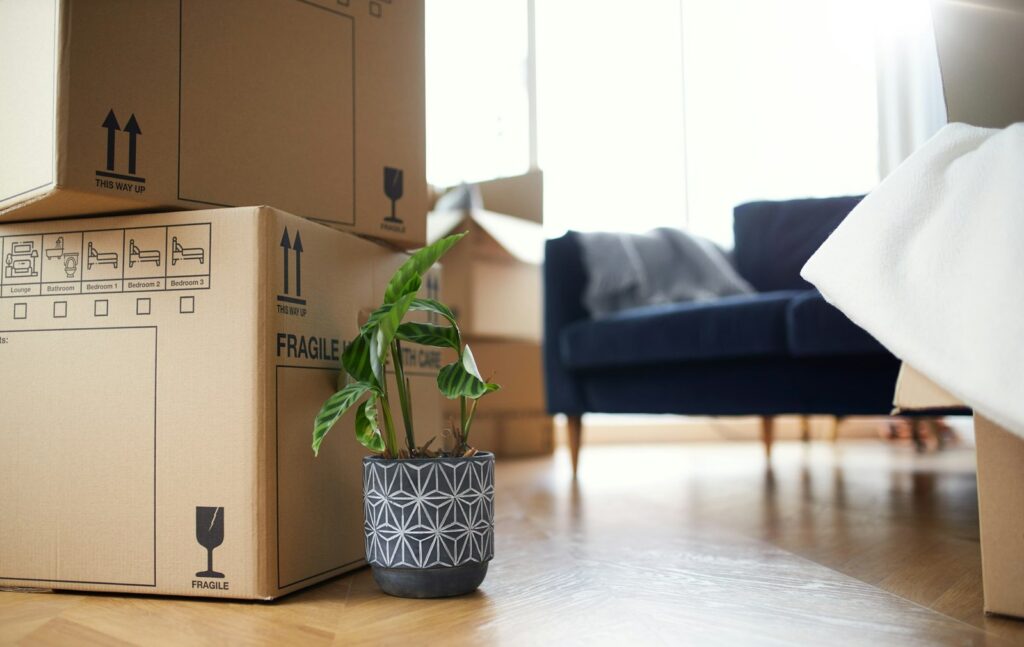
Timing can make household item removal much easier.
4–6 Weeks Before Moving
Start by reviewing larger belongings.
Focus on:
- Furniture
- Appliances
- Storage items
- Outdoor belongings
- Items kept in storerooms
At this stage, you have enough time to decide whether to sell, donate, repair, or remove each item.
2–3 Weeks Before Moving
Begin removing items that you have already decided not to take.
This is also a good time to arrange professional removal services if you have large or bulky belongings.
1 Week Before Moving
Perform a final review of every room.
Check areas that are commonly forgotten, including:
- Storerooms
- Kitchen cabinets
- Balconies
- Under beds
- Utility areas
- Shelves
Moving Day
Ideally, only the belongings that are actually moving to your new home should remain.
This allows the moving team to focus on transporting the items you want rather than dealing with unnecessary clutter.
How Household Item Removal Can Reduce Moving Stress
Moving can become overwhelming when you try to pack everything at once.
Household item removal creates a natural first step: remove what you do not need before packing what you want to keep.
This makes it easier to organize boxes, estimate the volume of belongings, and prepare furniture for transportation.
It can also make your new home easier to organize because you are not bringing unnecessary items into a fresh space.
Pro Tip: Do not treat your new home as additional storage space. If something has been unused for years, moving it to another property rarely solves the underlying problem.
How to Prepare Furniture for Household Item Removal

Large furniture requires more planning than smaller household belongings.
Before removal, inspect each item carefully.
Empty Furniture First
Remove everything from:
- Drawers
- Cabinets
- Wardrobes
- Shelves
- Storage compartments
This reduces weight and prevents smaller belongings from being damaged or lost.
Measure Large Furniture
Check the dimensions of bulky items and the access route.
Consider:
- Doorways
- Corridors
- Staircases
- Loading areas
This is particularly important for large wardrobes, sofas, dining tables, and cabinets.
Protect Vulnerable Surfaces
Furniture can be exposed to scratches, dents, dust, and impact during handling.
For furniture that will remain in the move, using suitable protective materials for furniture can help reduce the risk of surface damage.
Dismantle When Appropriate
Some large furniture pieces may be easier to handle after partial dismantling.
However, complicated or delicate furniture should not be dismantled unnecessarily. When in doubt, professional movers can assess the safest handling approach.
Should You Sell, Donate, or Remove Household Items?
Not every unwanted item needs to be thrown away.
Sell Items in Good Condition
Selling can be useful when:
- The item is still functional
- It has resale value
- You have enough time before moving
- You want to recover part of its original cost
Donate Usable Items
Items that are clean and functional may be suitable for donation, depending on the organization and its acceptance requirements.
Remove Damaged Items
Items that are broken, unsafe, or no longer practical may require professional removal or disposal. The best option depends on the item’s condition, size, material, and local disposal requirements.
Common Household Item Removal Mistakes
Waiting Until Moving Day
Trying to remove unwanted furniture at the last minute creates unnecessary pressure.
Keeping Everything “Just in Case”
This is one of the easiest ways to move unnecessary belongings.
Forgetting Bulky Items
People often focus on boxes and overlook large furniture stored in less-used areas.
Ignoring Access Restrictions
A large item may fit inside a room but fail to fit through a lift, staircase, or doorway.
Failing to Protect Furniture
Furniture that is being transported should be prepared according to its material and condition.
Not Communicating With Movers
If you have unusually large, heavy, fragile, or difficult-to-access items, tell your moving provider before moving day.
Household Item Removal Checklist
Use this checklist to stay organized:
Before Removal
- Create a household inventory
- Identify unwanted items
- Measure bulky furniture
- Check furniture condition
- Separate items for sale
- Separate items for donation
- Identify items requiring professional removal
Before Moving Day
- Empty cabinets and drawers
- Remove unwanted furniture
- Prepare remaining furniture
- Protect delicate surfaces
- Confirm the moving schedule
- Inform movers about bulky items
- Check access routes
Final Check
- Inspect the storeroom
- Check balconies
- Check kitchen cabinets
- Check bedrooms
- Check utility areas
- Confirm that only wanted belongings remain
How Professional Movers Can Help With Household Item Removal
Household item removal can become physically challenging when you have heavy or bulky belongings.
Professional movers may assist with:
- Furniture handling
- Heavy lifting
- Dismantling
- Transportation
- Packing
- Loading and unloading
- Bulky item removal
- Disposal coordination
Jean Movers offers disposal services for furniture, bulky items, household junk, office items, and certain electronic waste. Its disposal service can also be combined with a moving booking, allowing unwanted furniture to be cleared as part of the relocation process.
This can be particularly convenient when homeowners want to clear their old property while simultaneously preparing for the move.
Pro Tip: When requesting a quotation, provide a clear list or photos of the items you want removed. Accurate information allows the moving team to understand the volume, size, and handling requirements.
How to Make Household Item Removal More Efficient
A good removal strategy does not have to be complicated.
Start with the largest items because they usually require the most planning. Once unwanted furniture and bulky belongings have been identified, move on to smaller household items.
A practical order is:
- Review large furniture
- Identify unwanted appliances
- Clear storage areas
- Sort smaller household belongings
- Decide what to sell or donate
- Arrange professional removal
- Pack the belongings you are keeping
This approach keeps the process manageable and prevents you from spending time packing items that will eventually be removed.
Conclusion: Make Household Item Removal in Singapore Part of Your Moving Plan
Household item removal in Singapore can make a home relocation considerably more organized by ensuring that unnecessary belongings are dealt with before they become part of the moving load.
The most effective approach is to start early, review furniture and household items carefully, and separate everything into clear categories such as keep, sell, donate, and remove. This reduces clutter and allows you to focus your time and budget on the belongings that genuinely matter.
Pro Tip: Remove Before You Pack
The simplest rule is to remove unwanted items before packing your essentials. This prevents unnecessary belongings from taking up boxes, vehicle space, and valuable time.
If you are preparing for a move and need help with household item removal, furniture handling, or disposal, visit Jean Movers to explore professional moving and disposal solutions. The team provides residential moving services across Singapore and can help coordinate the different stages of your relocation.
Start your move by making a household inventory today, identify the items you no longer need, and arrange the appropriate removal solution before moving day.
FAQs (Frequently Asked Questions)
What is household item removal?
Household item removal involves clearing unwanted, damaged, unused, or bulky belongings from a home before or during a relocation.
When should I arrange household item removal?
Ideally, start several weeks before moving so you have enough time to sort, sell, donate, or remove unwanted items.
Can large furniture be removed?
Yes. Professional removal services can handle bulky furniture such as sofas, wardrobes, beds, cabinets, and dining tables, depending on the service requirements.
Should I sell or remove unwanted furniture?
If furniture is functional and has resale value, selling may be worthwhile. Damaged or unusable furniture may be better suited for professional removal or disposal.
Can household item removal be combined with moving?
Yes. Some moving providers offer disposal or removal as an additional service, allowing unwanted items to be cleared as part of the relocation process.