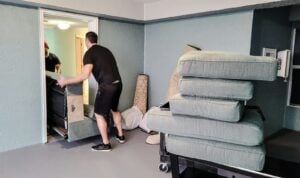

Decluttering before moving house in Singapore means sorting through your belongings, removing items you no longer need, and organizing the things you plan to bring to your new home. Whether you are moving from an HDB flat, condominium, apartment, or landed property, decluttering can make packing more manageable, reduce unnecessary boxes, and help you settle into your new space more comfortably.
The good news is that you do not have to organize everything in a single day. With a practical plan, you can gradually sort your belongings, make better decisions about what to keep, and prepare for a smoother relocation. Jean Movers helps households in Singapore plan their residential moves, including packing, transportation, and other relocation needs.
Why Is Decluttering Before Moving House in Singapore Important?

Decluttering before moving house in Singapore gives you an opportunity to review your belongings before they are packed into boxes and transported to your next home. Instead of moving everything automatically, you can focus on the items you genuinely use, need, or value.
This is especially helpful when moving into a smaller apartment, downsizing from a landed property, or reorganizing a family home.
1. Reduce Unnecessary Packing
Every item you decide to move requires some level of preparation. Clothes need to be sorted, kitchenware needs protection, and furniture may require wrapping or dismantling.
When you remove unwanted belongings beforehand, you can concentrate on packing the things that matter.
For example, a family moving from a four-room HDB flat might discover several boxes of old toys, unused decorations, and clothing that no longer serves a purpose. Sorting these items before packing helps prevent unnecessary work at both the old and new homes.
2. Make Better Use of Your Moving Budget
The cost of moving house in Singapore depends on several factors, including the volume of belongings, transportation requirements, property access, and additional services.
Decluttering may reduce the number of items requiring packing and transportation. However, the actual savings depend on your mover’s pricing structure and the services included in your quotation.
Before moving day, prepare an inventory of your belongings and ask your moving company how the volume of goods affects your estimated cost.
3. Create a More Organized New Home
Moving is an opportunity to rethink how you use your living space. Bringing every unused item into your new home may recreate the same clutter you wanted to leave behind.
Instead, consider how each item will fit into your new surroundings. A compact condominium may require different storage solutions from a larger landed home, while a family with young children may need accessible storage for everyday essentials.
A little planning before moving day can make unpacking more straightforward.
How to Declutter Before Moving House: A Step-by-Step Guide
The easiest approach is to work through your home in manageable sections rather than tackling every room at once.
Step 1: Start Decluttering Four to Six Weeks Before Moving
Begin with areas that contain items you rarely use. Guest rooms, storerooms, spare cupboards, and high shelves are often good starting points.
Starting early gives you time to make thoughtful decisions instead of rushing through everything just before moving day.
Create a simple schedule:
- Week 1: Sort storage areas, spare rooms, and unused belongings.
- Week 2: Review clothing, books, decorations, and personal items.
- Week 3: Organize kitchenware, appliances, and household supplies.
- Week 4: Finalize furniture decisions, confirm packing requirements, and prepare essentials.
Adjust the timeline according to your moving date and household size.
Step 2: Sort Items Into Four Categories
A simple sorting system makes decluttering easier because every item has a clear next step.
| Category | What to Do | Examples |
|---|---|---|
| Keep | Pack for your new home | Everyday clothing, important documents, frequently used kitchenware |
| Donate | Pass usable items to suitable organizations | Clean clothes, books, toys in good condition |
| Sell | Offer valuable unwanted items to interested buyers | Furniture, working appliances, collectibles |
| Recycle or dispose | Follow appropriate local disposal procedures | Unusable household items, damaged non-repairable goods |
Be realistic when deciding what to keep. If you have not used an item for a long time, consider whether it will genuinely serve a purpose in your new home.
However, do not discard important documents, sentimental belongings, or potentially valuable items without checking them carefully.
Step 3: Declutter One Room at a Time
Trying to organize the entire home simultaneously can make the process feel never-ending. A room-by-room approach helps you see progress and maintain momentum.
Bedroom: Review clothing, shoes, accessories, bedding, and unused storage containers.
Living room: Sort books, magazines, decorative objects, old electronics, and unused furniture.
Kitchen: Check duplicate utensils, expired pantry items, old containers, and appliances you rarely use.
Storeroom: Review old boxes, seasonal decorations, sports equipment, and forgotten household supplies.
Study area: Organize stationery, cables, paperwork, books, and electronic accessories.
Finish one area before moving to another. This makes it easier to identify what still needs attention.
Step 4: Measure Furniture Before Moving
Large furniture can be difficult to position in a different floor plan. Before moving day, measure important items and compare their dimensions with the available space in your new home.
Consider the following questions:
- Will the sofa fit comfortably in the living room?
- Is there enough space for your dining table?
- Can your wardrobe pass through the doorway?
- Will your bed fit without blocking access?
- Does the new home have enough room for existing storage cabinets?
Furniture that no longer suits your new layout may be worth selling, donating, or responsibly disposing of before the move.
Step 5: Organize Items for Donation, Sale, and Disposal
Once you have sorted your belongings, decide how each unwanted item will leave your home.
For donations, check the receiving organization’s acceptance requirements. For items you plan to sell, allow enough time to arrange collection. For damaged furniture and unwanted appliances, check the appropriate disposal options in Singapore.
Do not assume that every item can be placed in a general recycling bin. Electrical appliances and bulky furniture may require specific arrangements.
Completing these tasks before moving day prevents unwanted belongings from becoming a last-minute problem.
What Should You Declutter Before Moving to a New Home?
Some household items are easier to overlook because they are hidden in cupboards or used only occasionally.
The following table can help you identify potential candidates for decluttering.
| Item Type | Questions to Ask | Suggested Action |
|---|---|---|
| Clothing | Does it still fit my needs and lifestyle? | Keep useful items and donate suitable unwanted clothing |
| Kitchen appliances | Do I use this appliance regularly? | Keep useful appliances and arrange appropriate disposal for unwanted ones |
| Books and magazines | Will I read or reference these again? | Keep important titles and donate reusable books |
| Old furniture | Will it fit the new home? | Measure first, then keep, sell, donate, or dispose |
| Children’s toys | Are these still used and in good condition? | Keep favourites and pass on suitable items |
| Decorations | Do these suit the new space? | Keep meaningful pieces and reduce duplicates |
| Electronics | Are these working, needed, and compatible? | Keep useful devices and use appropriate e-waste channels |
| Storage boxes | Are the contents necessary? | Sort the contents before deciding whether to move the boxes |
The goal is not to own as few items as possible. It is to make sure the belongings you bring into your new home have a clear purpose.
How Can You Declutter Without Feeling Overwhelmed?
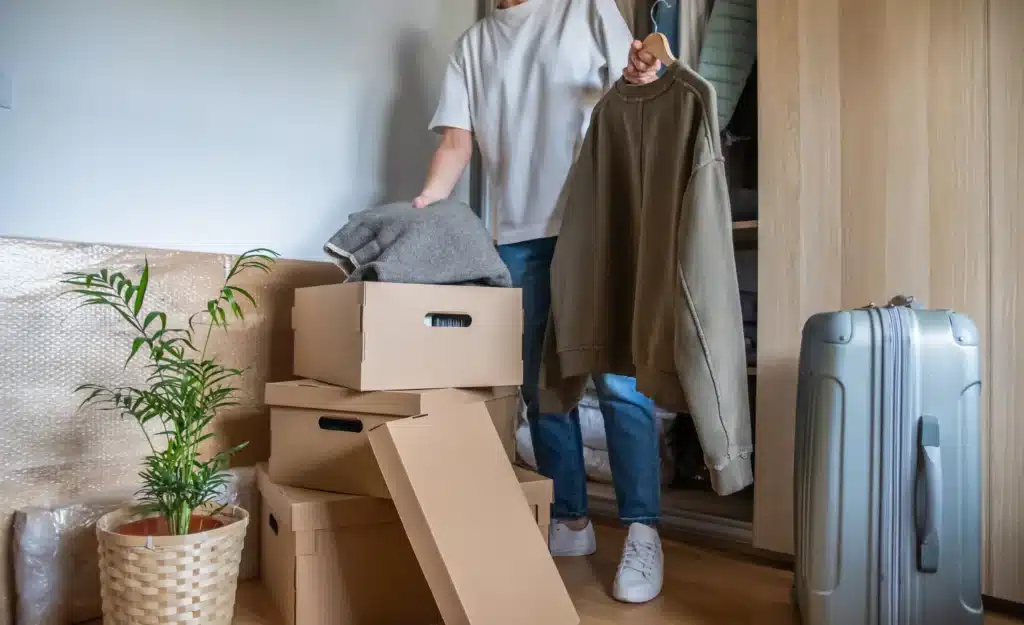
Decluttering can be surprisingly emotional. Some belongings carry memories, while others represent money spent or plans that never happened.
You do not need to make every decision immediately. A few simple habits can make the process more comfortable.
Set a Daily Decluttering Target
Instead of setting an unrealistic goal to finish the whole home in one weekend, dedicate 20 to 30 minutes to a particular area.
You might organize one drawer on Monday, a wardrobe shelf on Tuesday, and a kitchen cupboard on Wednesday.
Small tasks are easier to fit into a busy schedule, especially when you are balancing work, family responsibilities, and moving arrangements.
Use the One-Year Rule Carefully
A common decluttering technique is to review items you have not used in the past year. This can help identify unnecessary purchases, duplicate household supplies, and forgotten belongings.
However, the rule should not be applied blindly. Seasonal equipment, emergency supplies, sentimental items, and important documents may still be worth keeping even when used infrequently.
Think about usefulness, condition, available space, and future needs before deciding.
Avoid Buying Storage Products Too Early
It can be tempting to buy extra baskets, containers, and organizers as soon as you begin decluttering. However, buying storage products before sorting your belongings may simply create more things to move.
First decide what you are keeping. Then measure your available storage space and purchase only what you need.
Pro Tip: Keep a small donation box in an accessible area while decluttering. Add suitable items whenever you find something you no longer need, and arrange the donation once the box is full.
How Does Decluttering Affect Your Moving Process?
Decluttering is not just about tidying your home. It can also simplify the practical stages of relocation.
Consider this example: a household preparing to move from an HDB flat to a condominium has a mixture of frequently used furniture, old household supplies, and boxes that have remained unopened for years.
Without decluttering, all these belongings may be packed and transported together. After arriving, the family must find space for everything, unpack unnecessary items, and decide what to do with them later.
With a decluttering plan, the family can identify unwanted belongings earlier, prepare a more accurate inventory, and focus on the items needed in the new home.
Each stage prepares you for the next. When sorting is completed early, packing decisions become clearer, and you have a better understanding of the work involved in your relocation.
For more ideas on how this preparation can improve your move, read the Benefits of decluttering before you move.
Should You Hire Professional Movers After Decluttering?
Decluttering helps you prepare your belongings, but the remaining items still need to be packed, loaded, transported, and placed in your new home.
Professional movers may be useful when you have heavy furniture, fragile possessions, multiple rooms to pack, or limited time before your moving date.
Before choosing a moving company, consider:
- The volume and type of belongings you need to transport.
- Whether packing materials and packing assistance are required.
- Whether furniture dismantling and reassembly are needed.
- Access restrictions at both properties.
- The moving date and preferred schedule.
- Which services are included in the quotation.
Residential Moving Services in Singapore
Jean Movers provides residential moving services for HDB flats, condominiums, apartments, and landed properties in Singapore. Its residential moving service includes move planning, packing assistance, transportation, and unloading and furniture placement according to the agreed arrangements.
If you have already decluttered and are ready to organize your relocation, explore Jean Movers’ Residential Moving Services in Singapore.
Discuss your moving date, property type, inventory, and any special handling requirements with the team so that your relocation needs can be assessed appropriately.
Conclusion: Make Decluttering Before Moving House in Singapore Your First Step
Decluttering before moving house in Singapore is a practical way to prepare for a more organized relocation. By starting early, sorting belongings into clear categories, measuring furniture, and arranging donations or disposal in advance, you can reduce unnecessary packing and make settling into your new home easier.
Remember that successful decluttering is not about throwing everything away. It is about choosing which belongings deserve space in your next home and preparing them properly for the journey.
Your next steps:
- Set a decluttering start date and create a room-by-room schedule.
- Sort belongings into keep, donate, sell, and dispose categories.
- Measure furniture and prepare an inventory of the items you intend to move.
- Confirm packing requirements and arrange your moving service.
- Contact Jean Movers through its official website to discuss your residential relocation and request a moving quotation.
With a clear plan and the right support, you can leave unnecessary clutter behind and begin the next chapter in a more organized home.
FAQs (Frequently Asked Questions)
What should I do with unwanted furniture before moving?
Consider selling furniture that remains in good condition, donating suitable pieces to organizations that accept them, or arranging appropriate disposal. Measure your new space before deciding whether larger furniture should be moved.
When should I start decluttering before moving house?
Ideally, start four to six weeks before your moving date. Larger households or homes with substantial storage areas may benefit from starting earlier. This gives you time to sort belongings, arrange donations, sell unwanted items, and prepare for packing.
What should I declutter first when moving house?
Start with areas you use less frequently, such as storerooms, spare rooms, high shelves, and unused cupboards. These areas often contain belongings that can be reviewed without disrupting your daily routine.
Can decluttering reduce moving costs in Singapore?
It may help reduce moving costs if it decreases the volume of belongings, packing materials, or labour required. However, savings depend on the mover’s pricing structure, property access, distance, and services selected. Request a quotation based on your actual inventory.
Should I declutter before or after packing?
Declutter before packing whenever possible. This avoids spending time and materials packing items you ultimately do not want. Once you have decided what to keep, you can group similar belongings, label boxes, and prepare a clearer inventory.