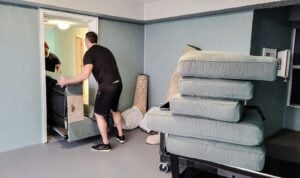

Relocating a food and beverage (F&B) business is more than simply moving tables, kitchen equipment, and inventory from one location to another. A successful F&B business relocation involves careful planning, operational continuity, regulatory compliance, equipment protection, and coordination among multiple stakeholders.
Whether you are moving a restaurant, café, bakery, food court stall, cloud kitchen, or catering facility, the relocation process can significantly impact customer experience and revenue if not managed properly. By following a structured relocation strategy, F&B businesses can minimize downtime, protect valuable assets, and resume operations efficiently.
What Is F&B Business Relocation?

F&B business relocation refers to the process of moving a food and beverage operation from one premises to another while ensuring that business operations, food safety standards, equipment functionality, and customer service remain uninterrupted.
This type of relocation typically includes:
- Commercial kitchen equipment moving
- Refrigeration and freezer transportation
- Dining furniture relocation
- Inventory and stock management
- POS system transfer
- Utility coordination
- Licensing and compliance preparation
- Business reopening planning
Unlike a standard office move, F&B relocations require specialized handling due to the presence of food-grade equipment, temperature-sensitive inventory, and operational dependencies.
Why Businesses Relocate Their F&B Operations
There are many reasons why restaurant owners and F&B operators decide to relocate.
Business Expansion
Growing businesses often require larger dining areas, bigger kitchens, or improved customer accessibility.
Better Location Strategy
Moving to areas with higher foot traffic can increase customer acquisition and revenue potential.
Cost Optimization
Businesses may relocate to reduce rental expenses or improve operational efficiency.
Brand Repositioning
A new location often supports rebranding initiatives, concept upgrades, or market expansion.
Operational Improvements
Modern facilities may provide better kitchen layouts, ventilation systems, and customer experiences.
Pro Tip: Before signing a new lease, evaluate customer demographics, parking availability, nearby competitors, and delivery accessibility.
Key Challenges During an F&B Business Relocation
Many F&B operators underestimate the complexity of relocation projects.
Equipment Sensitivity
Commercial kitchen equipment is expensive and often fragile.
Examples include:
- Industrial ovens
- Walk-in refrigerators
- Freezers
- Coffee machines
- Ice makers
- Dishwashing systems
Improper handling can result in costly repairs or replacement.
Inventory Management
Food inventory may include:
- Frozen products
- Fresh ingredients
- Beverages
- Specialty supplies
These items require proper planning to prevent spoilage.
Regulatory Requirements
Businesses may need to:
- Update operating licenses
- Obtain permits
- Conduct inspections
- Verify fire safety compliance
- Ensure food hygiene standards
Downtime Risks
Every day the business remains closed can result in lost revenue and customer retention challenges.
Pro Tip: Schedule your relocation during traditionally slower business periods to reduce operational impact.
Essential Steps for a Successful F&B Business Relocation
A structured relocation plan significantly improves project outcomes.
Step 1: Conduct a Relocation Assessment
Begin by evaluating:
- Current equipment inventory
- Furniture requirements
- Utility needs
- Storage capacity
- Moving timeline
Create a complete relocation checklist before planning begins.
Step 2: Develop a Relocation Timeline
A typical timeline may include:
| Timeline | Activity |
|---|---|
| 3–6 Months Before | Site selection and lease confirmation |
| 2–3 Months Before | Permit applications and contractor coordination |
| 1 Month Before | Equipment preparation and inventory planning |
| 1 Week Before | Final packing and operational shutdown |
| Moving Day | Transportation and installation |
| Post-Move | Testing and reopening |
Step 3: Prepare Equipment for Transport
Commercial equipment should be:
- Cleaned thoroughly
- Disconnected professionally
- Labelled correctly
- Protected with specialized packing materials
Step 4: Coordinate Utilities
Ensure activation of:
- Electricity
- Gas supply
- Water systems
- Internet connection
- POS infrastructure
Step 5: Test Operations Before Opening
Perform:
- Equipment testing
- Kitchen workflow checks
- Staff training
- Trial operations
Pro Tip: Conduct a soft opening before the official reopening date to identify operational issues early.
F&B Relocation Checklist

The following checklist helps streamline the moving process.
Before Moving
✓ Confirm lease agreement
✓ Notify suppliers
✓ Inform customers
✓ Update business registrations
✓ Schedule moving company
✓ Inventory all equipment
✓ Plan stock reduction
During Moving
✓ Monitor equipment loading
✓ Track inventory
✓ Verify transportation conditions
✓ Coordinate installation teams
After Moving
✓ Test kitchen equipment
✓ Verify utility functionality
✓ Conduct safety inspections
✓ Update online business listings
✓ Launch reopening marketing campaign
Understanding the Cost Factors of F&B Business Relocation
Several factors influence relocation expenses.
| Cost Component | Impact |
|---|---|
| Equipment Size | High |
| Distance | Medium |
| Specialized Handling | High |
| Installation Services | Medium |
| Refrigerated Transport | High |
| Temporary Storage | Medium |
| Business Downtime | High |
Businesses should budget for both direct moving expenses and indirect operational costs.
Pro Tip: Request detailed quotations that include dismantling, transportation, installation, and contingency services.
Case Study: Restaurant Relocation Success
A mid-sized restaurant in Singapore relocated from a suburban area to a high-footfall commercial district.
Challenges
- Large refrigeration systems
- Limited relocation window
- Need to reopen within 48 hours
Solution
The relocation team implemented:
- Phased inventory transfer
- Specialized refrigeration transport
- Overnight moving operations
- Coordinated equipment installation
Results
- Downtime reduced to less than two days
- Zero equipment damage
- Successful reopening on schedule
- Increased customer traffic after relocation
This example highlights the importance of strategic planning and experienced commercial movers.
How Professional Commercial Movers Support F&B Businesses
Working with experienced movers can reduce risk and improve relocation efficiency.
Professional relocation specialists typically provide:
- Project management
- Equipment dismantling
- Secure transportation
- Packing services
- Installation coordination
- Risk mitigation planning
Businesses moving related operations may also benefit from resources such as our salon and spa relocation guide, which covers many relocation principles applicable across service industries.
Pro Tip: Choose movers with proven experience handling commercial equipment and business relocations rather than general household moves.
Conclusion: Partner with Jean Movers for a Successful F&B Business Relocation
A successful F&B business relocation requires strategic planning, specialized equipment handling, regulatory awareness, and minimal operational downtime. From restaurants and cafés to bakeries and commercial kitchens, every relocation project presents unique challenges that demand professional expertise.
At Jean Movers, we specialize in commercial and business relocation services designed to help companies transition smoothly and efficiently. Our experienced team understands the complexities of moving sensitive equipment, coordinating timelines, and minimizing business disruption. Whether you are relocating a small café or a large-scale restaurant operation, we are committed to delivering a seamless moving experience from planning to reopening.
Contact Jean Movers today to discuss your relocation requirements and discover how our professional moving solutions can help your F&B business relocate with confidence.
Frequently Asked Questions
How long does an F&B business relocation take?
Most projects require several weeks of planning, while the physical move may take one to several days depending on complexity.
Can kitchen equipment be moved safely?
Can kitchen equipment be moved safely?
Can kitchen equipment be moved safely?
Yes. Professional movers use specialized equipment and handling techniques to protect commercial appliances.
When is the best time to relocate?
Businesses typically move during off-peak periods to reduce customer disruption and revenue loss.
Do I need professional movers for an F&B relocation?
Professional commercial movers are highly recommended due to the complexity of transporting kitchen equipment and maintaining operational continuity.