Moving to a new home or office is an exciting milestone, but it also comes with the responsibility of keeping your possessions safe throughout the relocation process. Knowing how to protect belongings during a move can significantly reduce the risk of damaged furniture, broken valuables, misplaced boxes, and unnecessary stress.
Whether you’re relocating across Singapore or moving to a nearby neighborhood, proper planning, quality packing materials, and careful handling make all the difference. This guide explains proven strategies, common mistakes to avoid, and professional recommendations to ensure your belongings arrive in excellent condition.
Why Protecting Your Belongings During a Move Matters
Protecting your belongings is about more than preventing scratches or broken items. Proper protection preserves the value of your possessions, minimizes replacement costs, and ensures a smoother moving experience.
Without adequate preparation, common risks include:
- Broken fragile items
- Scratched furniture
- Damaged electronics
- Water or moisture exposure
- Lost boxes
- Injuries caused by improperly packed heavy items
Taking preventive measures before moving day saves both time and money while reducing unnecessary stress.
Common Moving Risks That Can Damage Your Belongings
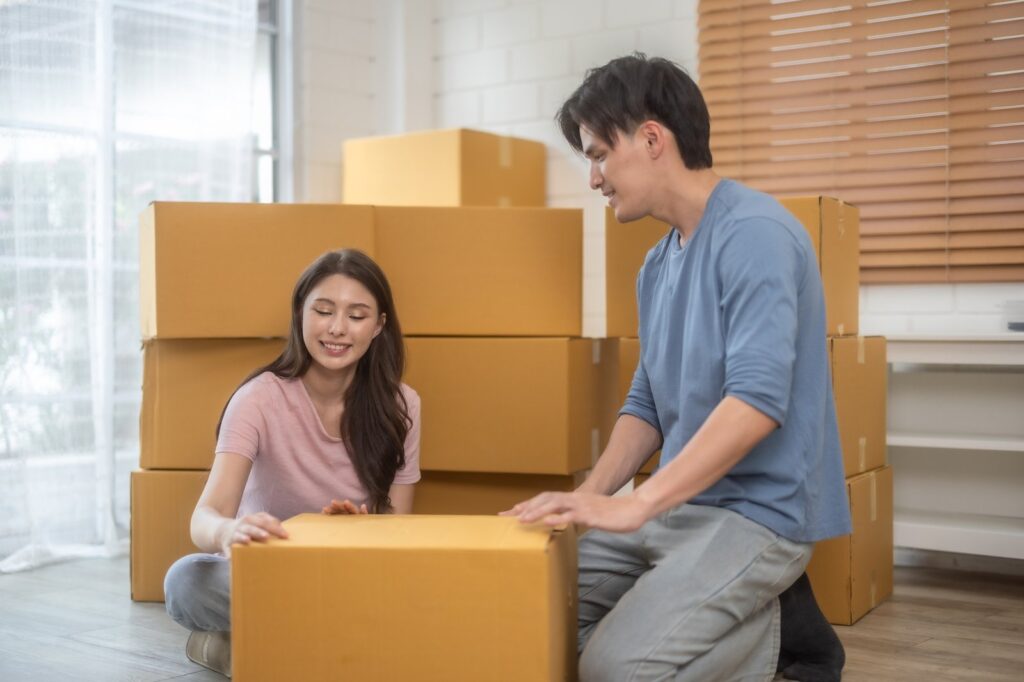
Every move presents unique challenges. Understanding potential risks helps you prepare effectively before the moving truck arrives.
Some of the most common causes of damage include:
- Poor-quality packing materials
- Overfilled boxes
- Boxes that are too heavy
- Furniture shifting during transport
- Improper lifting techniques
- Weather exposure
- Inadequate labeling
- Fragile items packed together without cushioning
Professional movers reduce these risks by following established packing and loading procedures.
DIY Packing vs Professional Packing: A Quick Comparison
| Factor | DIY Packing | Professional Packing Service |
|---|---|---|
| Packing Speed | Moderate | Fast and efficient |
| Protection Level | Depends on experience | High with professional techniques |
| Risk of Damage | Higher | Lower |
| Packing Materials | Self-purchased | Professional-grade supplies |
| Furniture Wrapping | May be limited | Comprehensive protection |
| Convenience | Lower | Excellent |
| Time Required | Several days | Usually completed within hours |
For households with valuable furniture, antiques, electronics, or office equipment, professional packing often provides greater peace of mind.
Choose High-Quality Packing Materials
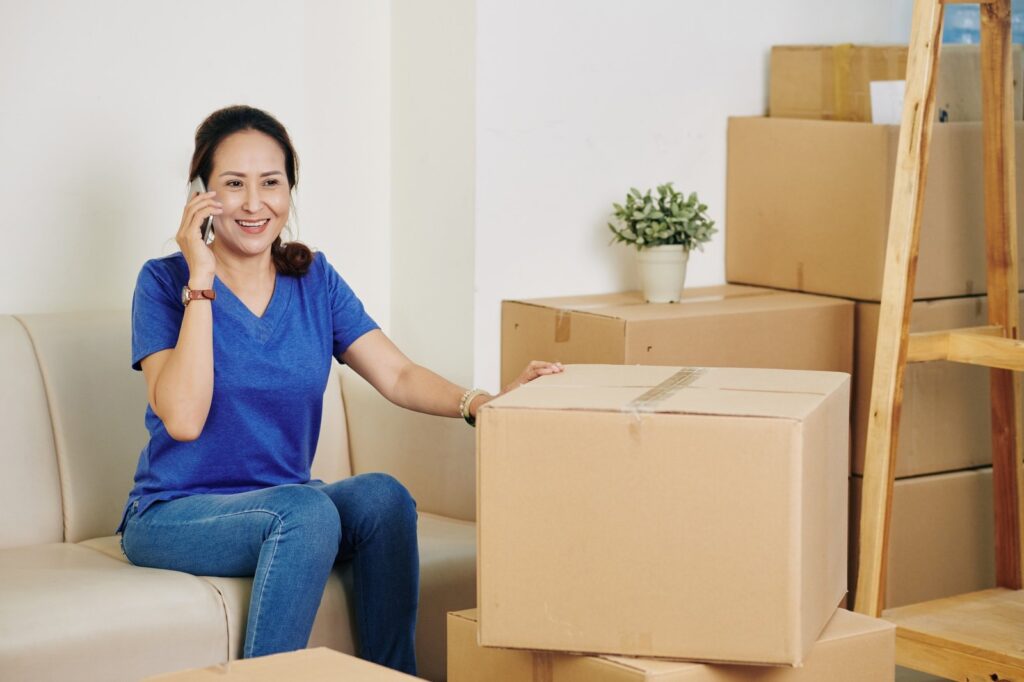
The quality of your packing materials directly affects the safety of your belongings. Investing in durable supplies is far less expensive than replacing damaged items.
Essential packing materials include:
- Double-wall cardboard boxes
- Bubble wrap
- Packing paper
- Stretch wrap
- Foam sheets
- Heavy-duty packing tape
- Furniture blankets
- Corner protectors
- Zip-lock bags for small hardware
Avoid reusing weak or damaged boxes, as they are more likely to collapse during transportation.
Pro Tip: Use boxes that are appropriately sized for each item. Overloaded boxes are one of the leading causes of damaged belongings during a move.
Pack Fragile Items with Extra Care
Fragile belongings require extra attention to prevent cracks, chips, or breakage.
For the best protection:
- Wrap each item individually.
- Fill empty spaces with cushioning materials.
- Place heavier fragile items at the bottom.
- Avoid stacking delicate glassware directly together.
- Clearly label boxes as “Fragile.”
Kitchenware, mirrors, artwork, decorative pieces, and glass tables should receive additional protective wrapping before loading.
Protect Furniture from Scratches and Damage
Furniture often represents one of the largest investments in a home. Proper protection helps preserve its appearance throughout the move.
Recommended steps include:
- Disassemble large furniture whenever possible.
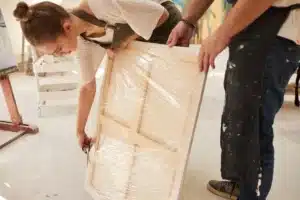
- Wrap wooden surfaces with moving blankets.
- Protect corners with foam guards.
- Remove shelves and drawers if practical.
- Store screws and bolts in labeled bags attached to the furniture.
Avoid dragging furniture across floors, as this can damage both the furniture and your property.
Keep Electronics Safe During the Move
Modern households contain numerous electronic devices that require careful handling.
Before packing electronics:
- Back up important data.
- Photograph cable connections.
- Remove batteries when appropriate.
- Use original packaging whenever available.
- Wrap monitors and televisions with foam protection.
Keep electronics away from moisture and avoid stacking heavy boxes on top of them.
Label Every Box Clearly
Proper labeling improves organization and reduces unnecessary handling during unloading.
Include information such as:
- Destination room
- Contents
- Fragile indicator
- Priority level
- Upright arrows if needed
Color-coded labels can further simplify unloading, especially for larger homes or office relocations.
Avoid Overpacking Boxes
One of the most common moving mistakes is filling boxes beyond their safe weight limit.
Instead:
- Pack books in smaller boxes.
- Place lighter items in larger boxes.
- Balance weight evenly.
- Keep each box manageable for lifting.
A practical rule is to keep most boxes under approximately 20–25 kg whenever possible, depending on the contents and the strength of the box.
Prepare an Essentials Box
An essentials box keeps important items easily accessible during the first 24 to 48 hours after moving.
Include items such as:
- Important documents
- Chargers
- Basic toiletries
- Medication
- Snacks
- Water bottles
- Change of clothes
- Basic tools
- Keys
This simple step prevents unnecessary unpacking immediately after arrival.
Consider Professional Movers and Packers
Hiring experienced professionals is one of the most effective ways to protect your belongings during a move. Trained movers understand how to pack delicate items, secure furniture, and load vehicles safely to minimize the risk of damage.
If you’re looking for reliable movers and packers in Singapore, Jean Movers offers comprehensive relocation services, including professional packing, secure transportation, furniture handling, and efficient unloading. Their experienced team follows proven moving practices to help ensure your possessions arrive safely.
Common Moving Mistakes to Avoid
Avoiding these mistakes can significantly improve the safety of your move.
Common errors include:
- Waiting until the last minute to pack
- Using weak or damaged boxes
- Skipping protective wrapping
- Forgetting to label boxes
- Mixing fragile and heavy items
- Leaving empty spaces inside boxes
- Overloading moving cartons
- Not securing furniture during transport
Planning ahead helps eliminate many of these issues before moving day.
Moving Day Checklist
Use this checklist to protect your belongings on moving day:
- ✓ Confirm all boxes are sealed.
- ✓ Label every carton.
- ✓ Wrap furniture completely.
- ✓ Separate valuables and important documents.
- ✓ Double-check electronics.
- ✓ Keep essentials with you.
- ✓ Inspect the moving vehicle before loading.
- ✓ Perform a final walkthrough before leaving.
A systematic approach reduces the likelihood of overlooked items or accidental damage.
Why Choose Jean Movers?
When protecting valuable belongings, experience matters. Jean Movers has built a reputation for providing dependable relocation solutions for residential and commercial customers across Singapore.
Their services include:
- Professional packing
- Furniture protection
- Safe loading and unloading
- Office relocations
- Residential moving
- Secure transportation
- Experienced moving crews
By combining quality materials with proven handling techniques, Jean Movers helps customers relocate with greater confidence and peace of mind.
Conclusion: Protect Your Belongings with Proper Planning and Professional Support
Learning how to protect belongings during a move starts with preparation. Using quality packing materials, organizing boxes correctly, protecting furniture, and following safe loading practices can dramatically reduce the risk of damage during relocation.
For a smoother and more secure moving experience in 2026, partnering with experienced professionals can make all the difference. Whether you’re moving a home, apartment, or office, Jean Movers provides reliable packing and relocation services tailored to your needs.
Ready for a stress-free move? Visit Jean Movers today to request a free quotation and discover how Jean Movers can help protect your belongings from start to finish.
Frequently Asked Questions
What is the best way to protect fragile items during a move?
Wrap each item individually with bubble wrap or packing paper and place cushioning inside the box.
Should I use new boxes for moving?
Yes, new or strong double-wall boxes are safer than weak reused boxes.
How do I protect furniture from scratches?
Use moving blankets, corner protectors, and stretch wrap for full coverage.
Is it better to hire professional movers?
Yes, professional movers can reduce damage risk and save time
What should go in an essentials box?
Keep documents, chargers, toiletries, medication, and a change of clothes in it.