Moving is easier and far less stressful when your belongings are packed using the right boxes and protective materials. Choosing appropriate packing supplies helps prevent damaged furniture, broken fragile items, and unnecessary replacement costs. Whether you’re relocating your home or office, understanding tips for choosing boxes and protective materials is one of the most important steps toward a successful move.
In 2026, professional movers recommend selecting packing materials based on the size, weight, and fragility of each item rather than using a one-size-fits-all approach. This not only improves protection during transportation but also makes loading, unloading, and unpacking more efficient.
If you’re planning a move in Singapore, working with experienced movers like Jean Movers while using quality packing materials can significantly reduce moving risks and ensure your belongings arrive safely.
Why Choosing the Right Boxes and Protective Materials Matters
Selecting suitable boxes and protective materials is more than simply finding containers for your belongings. Proper packing supplies distribute weight evenly, absorb shocks during transportation, and minimize movement inside each box.
Using incorrect materials often results in:
- Crushed boxes
- Broken glassware
- Scratched furniture
- Damaged electronics
- Increased unpacking time
- Higher replacement costs
Professional movers know that investing in quality packing supplies is far less expensive than replacing damaged possessions after the move.
Types of Moving Boxes and Their Best Uses
Different items require different box types. Choosing the appropriate box improves both safety and organization.
| Box Type | Best For | Advantages |
|---|---|---|
| Small Box | Books, canned food, tools | Prevents overloading |
| Medium Box | Kitchenware, toys, decorations | Versatile and easy to carry |
| Large Box | Clothing, pillows, linens | Lightweight bulky items |
| Wardrobe Box | Hanging clothes | Eliminates folding and wrinkles |
| Dish Pack Box | Plates, glasses, ceramics | Extra wall protection |
| File Box | Documents and office supplies | Keeps paperwork organized |
| TV/Electronics Box | TVs, monitors, computers | Custom-sized protection |
| Heavy-Duty Box | Valuable or heavy items | Higher durability |
Whenever possible, choose new or premium-quality boxes instead of worn, reused cartons that may have weakened over time.
How to Choose the Right Protective Materials
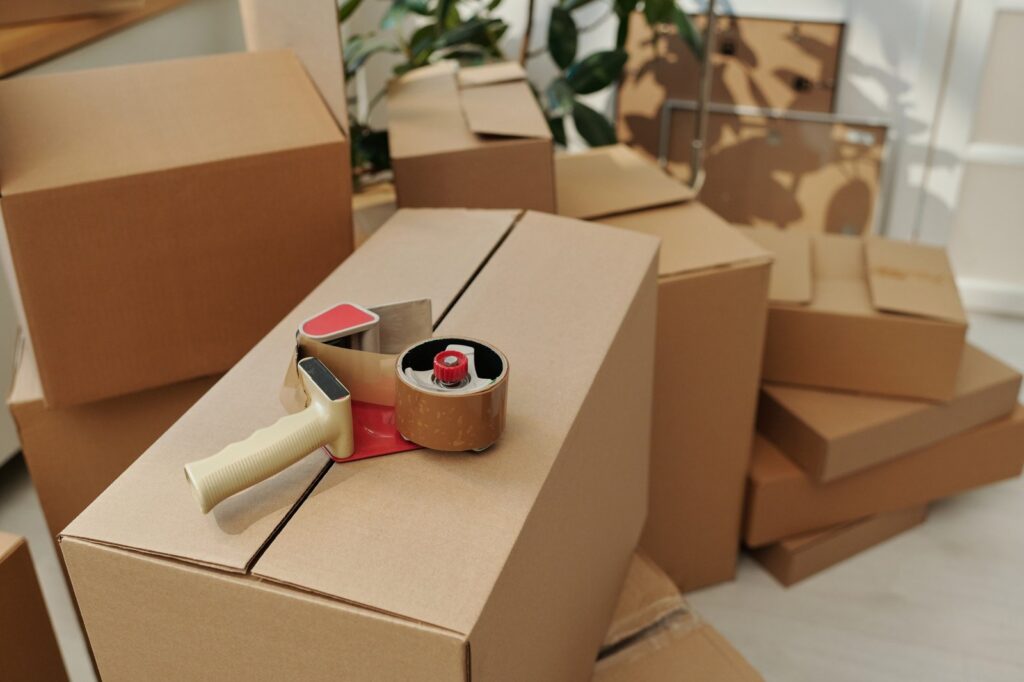
Protective materials help cushion your belongings against vibration, impact, and pressure during transportation. The best option depends on what you’re packing.
Common protective materials include:
Bubble Wrap
Ideal for:
- Glassware
- Mirrors
- Electronics
- Decorative items
Provides excellent impact absorption while remaining lightweight.
Packing Paper
Suitable for:
- Plates
- Bowls
- Kitchenware
- Collectibles
Unlike newspaper, clean packing paper leaves no ink stains.
Foam Sheets
Recommended for:
- Picture frames
- Glass panels
- Monitors
- Fine furniture finishes
Foam sheets prevent scratches while adding a protective layer.
Stretch Wrap
Perfect for:
- Furniture
- Drawers
- Upholstered items
- Bundling loose parts
Stretch wrap secures items without leaving sticky residue.
Packing Peanuts or Air Cushions
Useful for:
- Empty spaces inside boxes
- Lightweight fragile products
These fillers prevent items from shifting during transport.
Pro Tip: Never leave empty spaces inside a moving box. Fill all gaps with packing paper, foam, or air cushions to reduce movement and minimize the risk of damage during transit.
Matching the Right Box to Each Item
Choosing boxes according to the weight and fragility of your belongings makes moving safer and easier.
Heavy Items
Examples include:
- Books
- Dumbbells
- Kitchen appliances
- Files
Large boxes filled with heavy items become difficult to lift and are more likely to fail.
Fragile Items
Examples:
- Wine glasses
- Ceramics
- Antiques
- Crystal
Use:
- Dish packs
- Bubble wrap
- Foam dividers
- Double-boxing for valuable pieces
Clothing
For everyday clothes:
- Medium or large boxes
For formal wear:
- Wardrobe boxes
This keeps garments clean and wrinkle-free.
Electronics
Use original manufacturer packaging whenever available. Otherwise, select reinforced electronics boxes with ample padding around all sides.
Common Mistakes When Choosing Boxes and Packing Materials
Many moving-related damages occur because of avoidable packing mistakes rather than poor transportation.
Avoid these common errors:
- Using damaged or wet cardboard boxes
- Mixing heavy and fragile items together
- Overloading large boxes
- Using insufficient cushioning
- Choosing boxes that are too large
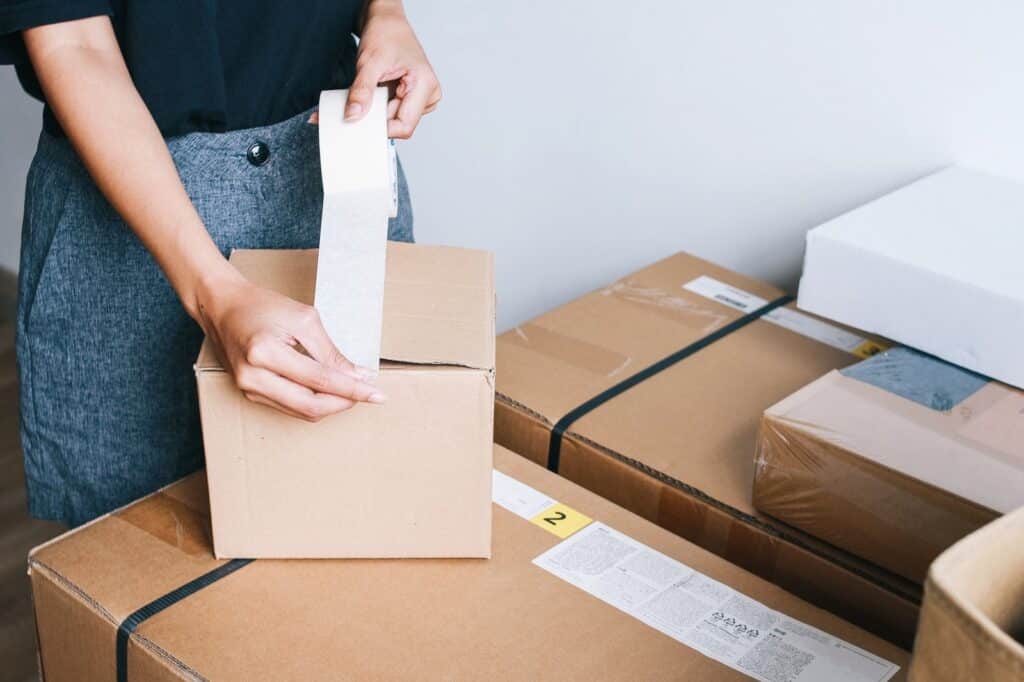
- Forgetting to reinforce the bottom with quality packing tape
- Reusing weak tape that no longer adheres properly
- Failing to label fragile boxes clearly
Preventing these mistakes can significantly improve the safety of your move.
Choosing Sustainable Packing Materials in 2026
Sustainability has become an important consideration for many households and businesses. Fortunately, you don’t have to compromise protection when choosing environmentally responsible packing supplies.
Consider using:
- Recyclable cardboard boxes
- Biodegradable packing paper
- Recyclable kraft paper
- Reusable plastic moving crates
- Paper-based cushioning
- Recyclable air pillows
Many professional moving companies also encourage customers to reuse boxes that remain structurally sound after the move, helping reduce waste without sacrificing protection.
Packing Strategy for Maximum Protection
Even with excellent materials, proper packing techniques are equally important.
Professional movers recommend following these best practices:
- Place heavier items at the bottom.
- Wrap fragile items individually.
- Fill every empty space.
- Avoid overpacking each box.
- Seal every edge securely with strong packing tape.
- Label every box with its destination room and contents.
- Clearly mark boxes containing fragile items.
A systematic packing approach makes unloading and unpacking much faster while reducing the chance of accidental damage.
For a more comprehensive guide on selecting high-quality supplies, read essential packing materials for a safe move. It explains the essential packing products professionals rely on for secure and efficient relocations.
Why Professional Movers Use Premium Packing Supplies
Experienced movers understand that packing quality directly affects moving success. Premium boxes and protective materials are designed to withstand stacking, lifting, and transportation over varying road conditions.
When you hire Jean Movers, professional-grade packing supplies and proven packing techniques help protect everything from everyday household goods to valuable office equipment and delicate furniture. This attention to detail reduces the likelihood of damage and provides greater peace of mind throughout the moving process.
How Jean Movers Helps Protect Your Belongings
Packing isn’t simply about placing items into boxes—it’s about protecting your investment. Jean Movers provides professional packing services using durable boxes, high-quality cushioning materials, and industry best practices tailored to different item types.
Whether you’re moving an apartment, landed property, office, or commercial space, experienced movers can recommend the most suitable packing solutions to improve efficiency and minimize moving risks.
Conclusion: Choose the Right Packing Materials for a Safer Move
Choosing the right boxes and protective materials is one of the smartest investments you can make before moving. Strong boxes, appropriate cushioning, and proper packing techniques work together to protect your belongings, reduce stress, and make unpacking much easier.
Instead of relying on random cartons or insufficient protection, use quality packing supplies that match the weight, size, and fragility of your items. Combined with professional expertise, this approach helps ensure a smooth relocation from start to finish.
If you’re planning your next move in Singapore, trust Jean Movers for reliable moving and professional packing solutions. Visit Jean Movers to learn more about their services or request a personalized moving quotation today.
Frequently Asked Questions
What type of moving box is best for heavy items?
Small, heavy-duty cardboard boxes are best because they are easier to carry and less likely to break under weight.
Which protective material is best for fragile items?
Bubble wrap, foam sheets, and packing paper provide excellent protection for glassware, ceramics, and delicate valuables.
Can I reuse old moving boxes?
Yes, but only if they are clean, dry, and structurally strong without tears, dents, or water damage.
Why should I fill empty spaces inside moving boxes?
Filling gaps with packing paper or air cushions prevents items from shifting and reduces the risk of damage during transport
Should I hire professional packing services?
Professional packing services are recommended for valuable, fragile, or bulky items to ensure they are packed safely and securely.