

Moving to a new home or office can be exciting, but one of the most common mistakes people make is bringing too many unnecessary items. Learning how to prevent overpacking can save time, reduce moving costs, minimize stress, and make unpacking much easier.
Overpacking happens when individuals pack items they rarely use, duplicate belongings, or fail to organize possessions before moving day. By adopting a strategic approach, you can streamline your move and focus only on the items that truly add value to your daily life.
What Does Overpacking Mean?
Overpacking refers to packing more belongings than necessary during a relocation. This often leads to:
- Higher moving costs
- More packing materials
- Increased risk of damaged items
- Longer loading and unloading times
- More clutter in the new space
Whether you’re moving a house, apartment, office, or even managing a specialized project like an F&B business relocation, proper planning helps ensure only essential items make the journey.
Why Do People Overpack?
Many people pack everything because they:
- Feel emotionally attached to belongings
- Fear they might need an item later
- Underestimate how much they own
- Lack time to declutter
- Want to avoid making decisions
Pro Tip: If you haven’t used an item within the last 12 months, consider whether it truly deserves a place in your new home.
Why Preventing Overpacking Matters
Reducing unnecessary items before moving provides several benefits.
Lower Moving Expenses
Moving companies often calculate costs based on:
- Volume
- Weight
- Number of boxes
- Transportation requirements
The fewer items you move, the lower your overall relocation costs may be.
Faster Packing and Unpacking
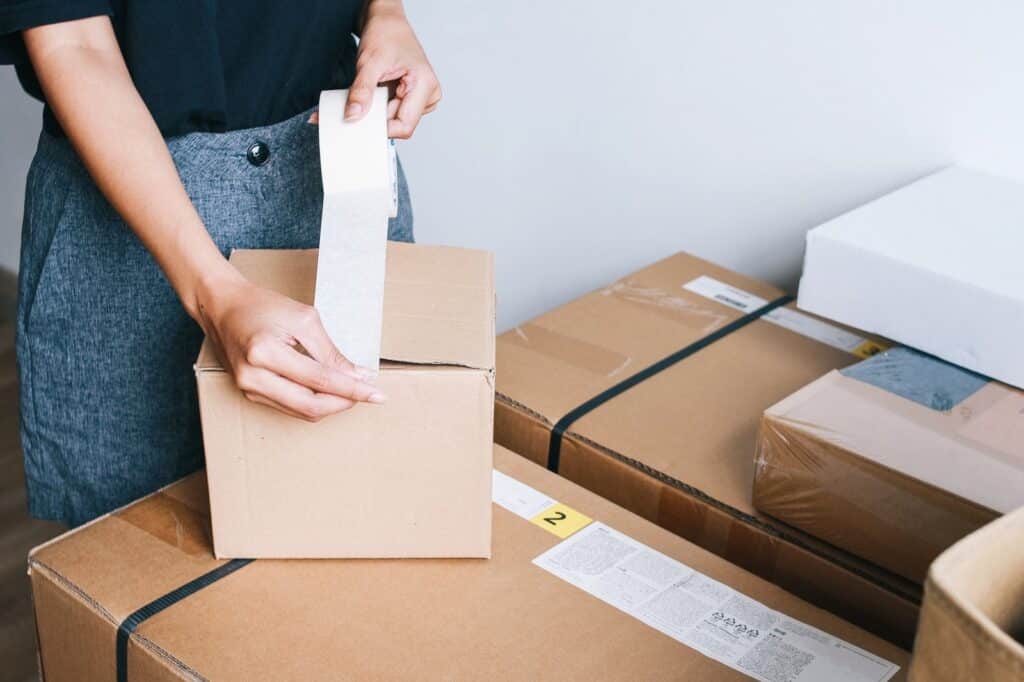
Packing fewer belongings means:
- Less time spent organizing
- Faster loading processes
- Easier unpacking at the destination
Better Organization
Starting fresh in a new environment becomes easier when you only bring useful and meaningful possessions.
Reduced Risk of Damage
Overfilled boxes can break during transportation and increase the likelihood of damaged belongings.
Pro Tip: Focus on quality over quantity. A clutter-free move often leads to a more organized lifestyle after relocation.
Common Signs You Are Overpacking
Many people do not realize they are overpacking until moving day.
Watch for these warning signs:
- Packing items you forgot you owned
- Bringing multiple versions of the same item
- Filling boxes with miscellaneous objects
- Packing broken or outdated items
- Keeping clothing that no longer fits
Quick Self-Assessment
Ask yourself:
- Have I used this item recently?
- Would I buy this item again today?
- Does this item serve a practical purpose?
- Will it fit my new space?
If the answer is “no” to most questions, it may be time to let it go.
Step-by-Step Guide on How to Prevent Overpacking
Step 1: Start Decluttering Early
One of the biggest mistakes movers make is waiting until the last minute.
Begin sorting belongings at least:
- 4–8 weeks before moving
- Room by room
- Category by category
Create four groups:
| Category | Action |
|---|---|
| Keep | Pack and move |
| Donate | Give away |
| Sell | Generate extra cash |
| Dispose | Recycle or discard |
Pro Tip: Start with storage rooms and closets since they often contain the most unused items.
Step 2: Follow the One-Year Rule
A simple decluttering strategy is the one-year rule.
If you haven’t used an item within the last year, consider removing it from your packing list.
This works particularly well for:
- Clothing
- Kitchen gadgets
- Books
- Decorations
- Sports equipment
Exceptions may include seasonal or sentimental items.
Step 3: Create an Inventory List
A detailed inventory helps identify duplicates and unnecessary possessions.
Your inventory should include:
- Furniture
- Electronics
- Kitchenware
- Clothing
- Documents
Benefits include:
- Better organization
- Easier packing
- Improved moving estimates
- Reduced duplicate items
Example Inventory Structure
| Item Category | Quantity |
| Dining Chairs | 6 |
| Laptops | 2 |
| Storage Boxes | 10 |
| Suitcases | 3 |
Step 4: Pack by Necessity
Not every item deserves equal priority.
Use the following system:
Essential Items
Daily-use belongings such as:
- Clothing
- Toiletries
- Work equipment
- Important documents
Useful Items
Items used weekly or monthly.
Non-Essential Items
Items rarely used and should be evaluated carefully before moving.
Pro Tip: If you hesitate when deciding whether to pack something, it may not be essential.
Step 5: Avoid the “Just in Case” Mindset
One of the leading causes of overpacking is keeping items “just in case.”
Examples include:
- Broken electronics
- Outdated cables
- Expired products
- Unused kitchen appliances
Instead, focus on items that actively contribute to your lifestyle.
Room-by-Room Decluttering Strategy
Bedroom
Review:
- Old clothing
- Shoes
- Accessories
- Bedding
Donate or recycle items no longer used.
Kitchen
Evaluate:
- Duplicate utensils
- Unused appliances
- Expired pantry items
Living Room
Consider removing:
- Outdated décor
- Unused furniture
- Old magazines
Home Office
Sort through:
- Old paperwork
- Outdated technology
- Unnecessary office supplies
Pro Tip: Decluttering room by room prevents decision fatigue and makes progress easier to track.
Packing Efficiency Checklist
Before sealing each box, ask:
✓ Is this item useful?
✓ Is this item in good condition?
✓ Will it fit my new space?
✓ Have I used it recently?
✓ Is it worth the cost of moving?
If multiple answers are “no,” reconsider packing it.
How Professional Movers Help Reduce Overpacking
Experienced movers often identify inefficiencies that homeowners overlook.
Professional moving teams can assist with:
- Packing strategies
- Inventory planning
- Space optimization
- Furniture assessments
- Moving cost evaluations
Their expertise helps ensure a smoother and more cost-effective relocation.
Pro Tip: Request a pre-move assessment to better understand how much you truly need to transport.
Conclusion: Move Smarter with Jean Movers
Learning how to prevent overpacking is one of the most effective ways to simplify your move. By decluttering early, creating an inventory, and focusing on essential belongings, you can reduce costs, save time, and enjoy a more organized transition.
At Jean Movers, we help individuals, families, and businesses plan efficient relocations with professional packing, transportation, and moving support. Whether you’re moving locally, relocating an office, or managing a specialized project, our experienced team can help streamline every stage of the process.
Contact Jean Movers today and discover how professional moving solutions can make your next relocation easier, faster, and stress-free.
Frequently Asked Questions
Is overpacking common during a move?
Yes. Many people underestimate how many unused belongings they own until they begin packing.
How early should I start decluttering?
Ideally, 4–8 weeks before your moving date.
Does decluttering reduce moving costs?
Yes. Fewer items generally mean lower transportation and packing costs.
Should I keep items with sentimental value?
Keep meaningful items, but avoid holding onto everything for emotional reasons alone.
Can professional movers help identify unnecessary items?
Yes. Experienced movers can provide guidance on efficient packing and inventory management.